Lilly's New Drug RETA Reduces Weight by Over 30%, GLP-1 Reshaping the Entire Consumer Economy
The latest clinical data from Eli Lilly indicates that RETA, as a triple agonist of GLP-1, GIP, and glucagon, has achieved more than a 30% weight loss in the highest dosage group, a figure that has previously only been associated with the therapeutic range of bariatric surgery. Compared to early GLP-1 single-target drugs, RETA has shown stronger effects in fat consumption, energy metabolism, and body restructuring and has now been widely circulated in the black market, anti-aging clinics, and social groups.
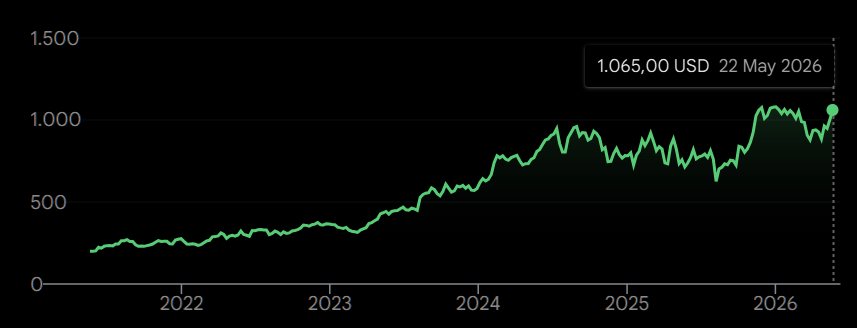
Eli Lilly's stock price is continuously strengthening with the expectations of RETA, with its market value approaching the $1 billion mark. More importantly, the application boundaries of GLP-1 drugs are expanding rapidly. The Cleveland Clinic disclosed at the world's largest cancer academic conference that tracking data from over 10,000 cancer patients showed that users of GLP-1 had a 38% to 50% reduction in cancer progression risk across various tumor types, including breast cancer, lung cancer, colon cancer, and liver cancer. The data are still in the early stages, but the narrative of GLP-1 as a "metabolic master switch" is rapidly taking shape.
The impact of these drugs has begun to leave a clear imprint on consumer data. A survey by Deutsche Bank shows that after taking the medication, the proportion of restaurant dining fell from 55% to 31%, consumer spending at fast food and coffee shops dropped from two-thirds to 37%, and the proportion of ordering takeout and drinking alcohol also fell from more than half to about one-third. More crucially, most users maintained their new dietary habits even after discontinuing the medication, and behavioral changes were sustained.
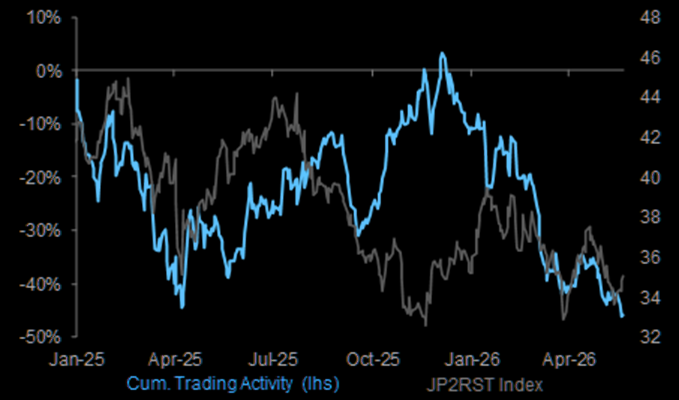
The reaction in the capital markets has been quite straightforward. Data from JP Morgan show that the cumulative net performance of the U.S. restaurant sector has been continuously declining; tequila brand Cuervo has seen its market value evaporated by 70% over the past five years, and Diageo also lost about $50 billion in market value during the same period, with alcohol stocks following the long-term decline path of tobacco stocks. JP Morgan's position data also show that the ratio of long to short positions in the restaurant sector has fallen to a multi-year low, at the 1st percentile.
The competitive logic of the pharmaceutical industry is also evolving in tandem. The development of triple, quadruple, and even quintuple agonists is advancing, and the GLP-1 race has evolved into an "AI arms race" targeting the human metabolic system.
市场有风险,内容仅供研究参考,不构成投资建议。