Tax Rebate Fades, U.S. Consumer Spending May Face Pressure
Goldman Sachs economist Joseph Briggs noted in the latest report that the growth rate of real disposable income in the United States has significantly slowed down, with the year-on-year growth rate dropping to 0.4%, and the six-month annualized growth rate is a mere 0.2%, with the April data expected to be even weaker.
During this year's tax season, Trump's signature "One Big and Beautiful Bill" (OBBBA) brought about $140 billion in tax rebates and tax reductions for American families. However, this income did not translate into effective consumption, largely offset by the persistently high energy prices. A war with Iran has pushed the average price of regular gasoline in the United States above $4 per gallon, and Oxford Economics' Chief US Economist Michael Pearce stated bluntly: "The tax rebate season may have performed well, but the rise in gasoline prices is hedging this effect."
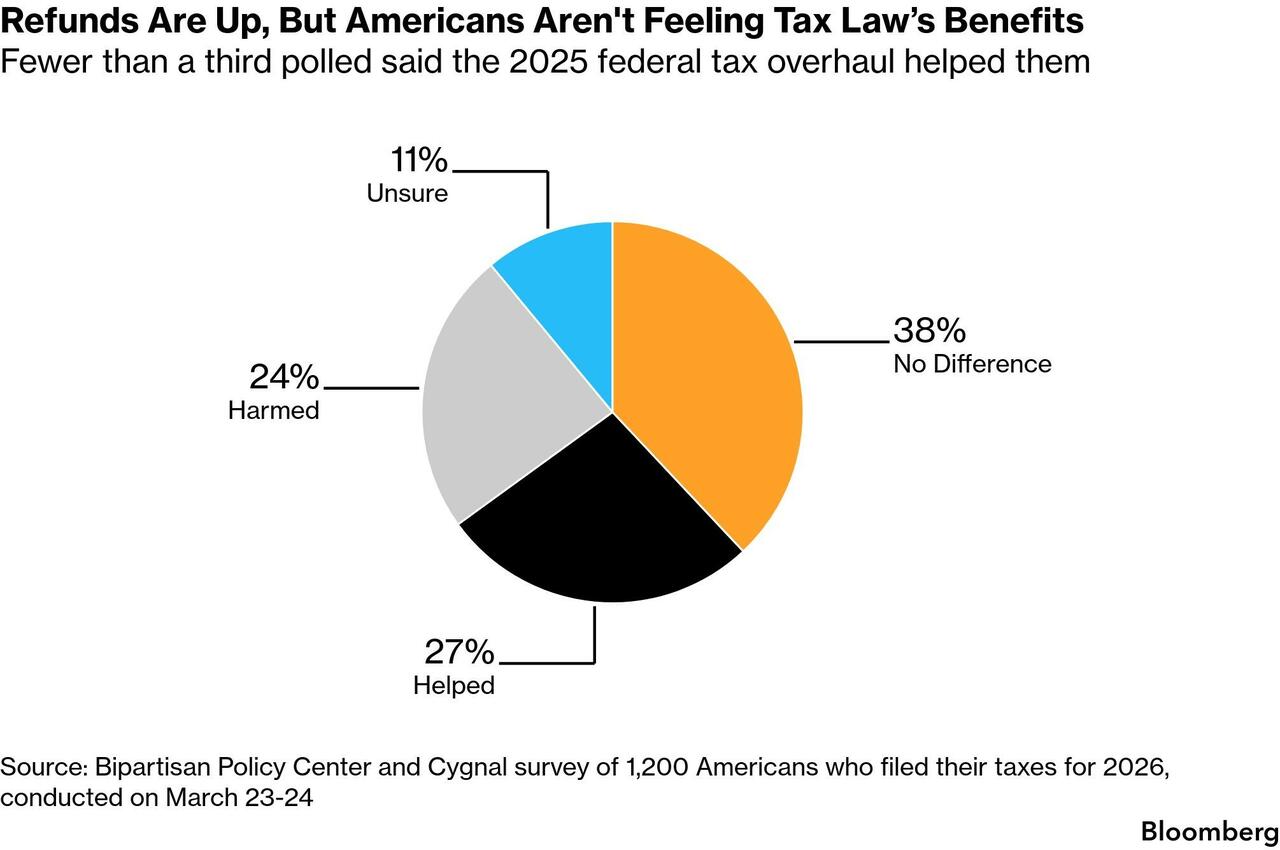
The issue is that the rebate funds were mainly concentrated in February and March and have now been largely exhausted. Goldman Sachs expects that consumer pressure from energy prices will become more pronounced in the second half of the year, with the low-income group being hit particularly hard, as food and energy expenditures account for a higher proportion of their budget.
Data shows that the US personal savings rate plummeted by 1 percentage point to 2.6% within just two months, setting a new low since the COVID-19 pandemic. At the same time, personal income remained unchanged on a month-over-month basis, while personal expenditure rose by 0.5% month-over-month, with the income-expenditure gap continuing to widen, making it unsustainable.
The labor market is also not optimistic. Goldman Sachs estimates that the economic drag caused by the war with Iran will result in an average monthly job increase of only 38,000 for the remainder of the year, with the unemployment rate projected to rise to 4.6% by the end of 2026. If energy prices remain high for an extended period or AI-related job losses exceed expectations, the downside risks will intensify.
The only support currently comes from the household balance sheet. Thanks to the recent significant increase in the stock market, the ratio of household net worth to disposable income is still near its historical high, with the wealth effect temporarily supporting the consumer bottom line. However, Goldman Sachs warns that if the market experiences a moderate correction, indicators such as income, cash flow, and confidence will all turn into deep warnings simultaneously. The consumer confidence index is already near a historical low, and this fragile balance could be broken at any time.
市场有风险,内容仅供研究参考,不构成投资建议。